
What Is Yoga? A Complete Beginner’s Guide
Have you ever wondered what yoga is really about beyond the Instagram poses and trendy leggings? Yoga is an ancient practice that unites the mind, body, and spirit through physical postures, breathing techniques, and meditation. Whether you’re seeking stress relief, improved flexibility, or spiritual growth, yoga offers a transformative path that has helped millions of people worldwide discover inner peace and physical wellness.
This comprehensive guide will walk you through everything you need to know as a beginner, from understanding yoga’s true purpose to taking your first class safely and confidently.
What Is Yoga? Understanding the Foundation
The word “yoga” comes from the Sanskrit root “yuj,” meaning “to unite” or “to join.” At its core, yoga is a holistic system designed to create harmony between your physical body, mental state, and spiritual essence. While many Westerners associate yoga primarily with physical postures, it’s actually a comprehensive philosophy for living that dates back over 5,000 years.
Yoga philosophy encompasses eight limbs of practice, including ethical guidelines, physical postures, breathing techniques, and meditation. This ancient system provides tools for managing stress, improving health, and cultivating inner awareness in our modern world.
The Four Major Paths of Yoga
Traditional yoga recognizes four main paths, each suited to different personalities and spiritual inclinations. Understanding these paths can help you choose the approach that resonates most with your goals and temperament.
Hatha Yoga: The Physical Path
Hatha Yoga focuses on physical postures (asana) and breathing techniques (pranayama). This is the most familiar form of yoga in the West, emphasizing alignment, strength, and flexibility. Hatha classes typically move at a slower pace, making them ideal for beginners who want to learn proper form and build a solid foundation.
Raja Yoga: The Mental Path
Raja Yoga, known as the “royal path,” emphasizes meditation and mental discipline. This path follows the Eight Limbs of Yoga outlined by the sage Patanjali, progressing from ethical guidelines to deep states of concentration and spiritual absorption.
Bhakti Yoga: The Devotional Path
Bhakti Yoga is the path of love and devotion, often expressed through chanting, prayer, and surrender to the divine. Practitioners might participate in Kirtan (devotional singing) or cultivate loving-kindness through their daily actions and relationships.
Jnana Yoga: The Wisdom Path
Jnana Yoga pursues self-realization through study, contemplation, and intellectual inquiry. This path involves studying sacred texts, questioning the nature of reality, and developing discriminating wisdom to distinguish between the temporary and eternal aspects of existence.
Proven Benefits of Regular Yoga Practice
Modern research has validated many of yoga’s traditional benefits, providing scientific evidence for what practitioners have experienced for millennia. Both physical and mental health improvements occur relatively quickly with consistent practice.
Physical Health Benefits
- Improved flexibility and strength: Regular practice increases range of motion and builds lean muscle mass
- Better cardiovascular health: Studies show yoga can lower blood pressure and improve heart rate variability
- Enhanced balance and coordination: Particularly beneficial for older adults in preventing falls
- Pain relief: Effective for chronic back pain, arthritis, and tension headaches
- Better sleep quality: Relaxation techniques promote deeper, more restorative sleep
Mental and Emotional Benefits
- Stress reduction: Yoga activates the parasympathetic nervous system, reducing cortisol levels
- Improved mood: Regular practice increases GABA production, naturally boosting mood and reducing anxiety
- Enhanced focus: Mindfulness components improve attention span and cognitive function
- Emotional regulation: Breathing techniques and meditation help manage difficult emotions
- Greater self-awareness: Regular practice cultivates deeper understanding of your thoughts and reactions
What to Expect in Your First Yoga Class
Walking into your first yoga class can feel intimidating, but knowing what to expect will help you feel more confident and prepared. Most beginner-friendly classes follow a similar structure designed to gradually warm up your body and calm your mind.
Class Structure and Flow
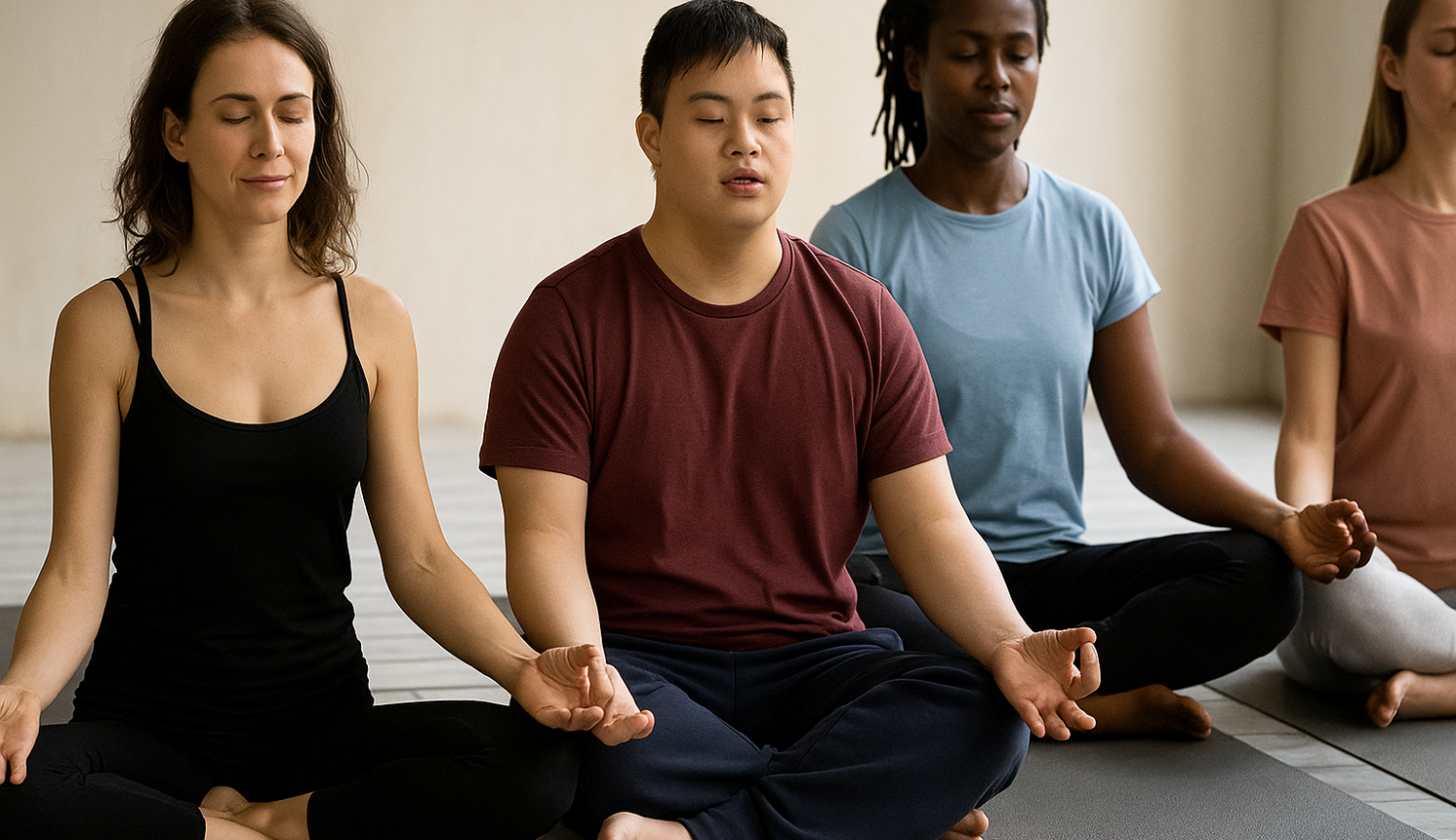
A typical class begins with centering and breathing exercises, followed by gentle warm-up movements. The main portion includes standing poses, seated postures, and possibly some backbends or inversions, depending on the style. Classes typically conclude with restorative poses and a final relaxation period called Savasana.
Don’t worry about keeping up with everyone else or achieving perfect poses. Yoga is not a competition – it’s a personal practice where your only comparison should be with yourself. Most instructors offer modifications for different skill levels, so listen to your body and choose variations that feel appropriate.
Essential Etiquette Tips
- Arrive 10-15 minutes early to get settled and inform the instructor of any injuries
- Turn off your phone and avoid talking during class
- Respect personal space – yoga mats should not touch
- Stay for the entire class, including final relaxation
- Clean your mat and props after use
Safety First: Important Precautions for Beginners
While yoga is generally safe for most people, taking proper precautions will help prevent injury and ensure a positive experience. Always consult with a healthcare provider before starting any new exercise program, especially if you have existing health conditions or injuries.
Listen to Your Body
The most important safety principle in yoga is developing body awareness. You should feel a gentle stretch or mild challenge, but never sharp pain. If something doesn’t feel right, back off or skip the pose entirely. Remember that flexibility and strength develop gradually – forcing poses can lead to injury.
Common Mistakes to Avoid
- Holding your breath: Keep breathing steadily throughout poses
- Comparing yourself to others: Focus on your own practice and progress
- Ignoring alignment cues: Proper form is more important than how deep you can go
- Skipping warm-up: Always allow time for your body to prepare
- Rushing into advanced poses: Build strength and flexibility gradually
Starting Your Home Practice
While attending classes with qualified instructors is ideal, you can also begin exploring yoga at home. Start with beginner-friendly online videos or apps that provide clear instruction and modifications. Create a dedicated space free from distractions, and commit to practicing for just 10-15 minutes daily rather than longer, infrequent sessions.
Essential Equipment for Beginners
- Yoga mat: Provides stability and cushioning
- Blocks: Help bring the floor closer to you in seated and standing poses
- Strap: Assists with poses requiring flexibility you haven’t developed yet
- Blanket: Useful for warmth during relaxation and as a prop for support
Consider exploring different styles to find what resonates with you. Vinyasa offers flowing sequences, while Yin Yoga focuses on deep, passive stretches. Yoga Nidra provides profound relaxation through guided meditation.
Taking Your Next Steps
Yoga offers a lifelong journey of discovery, growth, and transformation. Whether you’re drawn to the physical challenges, stress-relief benefits, or spiritual aspects, there’s a style and approach that will meet you where you are. Start slowly, be patient with yourself, and remember that every expert was once a beginner.
Consider exploring Yoga Teacher Training programs if you develop a deep passion for the practice, even if you don’t plan to teach. These comprehensive programs deepen your understanding and personal practice significantly.
What aspect of yoga interests you most – the physical poses, breathing techniques, or meditation practices? Begin with what calls to you, and trust that your practice will naturally evolve and expand over time.