 What’s the Difference Between ADHD and ASD Yoga?
Yoga has long been recognized as a tool for improving mental clarity, emotional balance, and physical health. However, the way yoga benefits individuals with Attention-Deficit/Hyperactivity Disorder (ADHD) and Autism Spectrum Disorder (ASD) is vastly different. While ADHD-friendly yoga focuses on movement, engagement, and energy regulation, ASD-friendly yoga prioritizes structure, sensory comfort, and emotional grounding.
This guide explores the key differences between ADHD and ASD yoga, their unique benefits, and how to choose the best approach for yourself or your students.
ADHD Yoga: Movement, Focus, and Energy Regulation
ADHD affects focus, impulse control, and energy levels. Many individuals with ADHD find it difficult to stay engaged in slow-moving activities, which makes traditional yoga challenging. However, the right type of yoga can help with energy release, concentration, and emotional self-regulation.
Key Features of ADHD-Friendly Yoga
- Fast-Paced Sequences Keep Engagement High
ADHD brains thrive on stimulation and movement. Yoga sequences that include quick transitions and varied postures help maintain focus and prevent boredom. Vinyasa Yoga and Power Yoga are ideal styles because they keep the body active while linking breath to movement. - Shorter Sessions Improve Focus
Long, slow yoga sessions may feel overwhelming or frustrating for someone with ADHD. Shorter 20-30 minute sessions with a mix of flowing movements and balance poses are more effective. - Interactive Elements Help Maintain Attention
Incorporating call-and-response exercises, verbal cues, or visual demonstrations can improve engagement. Using music, counting movements, or focusing on breath patterns adds structure while keeping the practice dynamic. - Breathwork Regulates Impulsivity and Stress
ADHD brains often struggle with self-regulation. Breathwork techniques such as Box Breathing (4-4-4-4 count) or Lion’s Breath help activate the parasympathetic nervous system, reducing anxiety and improving impulse control. - Balance and Strength Poses Improve Coordination
ADHD yoga should include poses that challenge coordination and proprioception (body awareness). Poses like Tree Pose, Warrior III, and Chair Pose require focus, balance, and muscle engagement, helping train the brain to stay present.
Best ADHD Yoga Poses
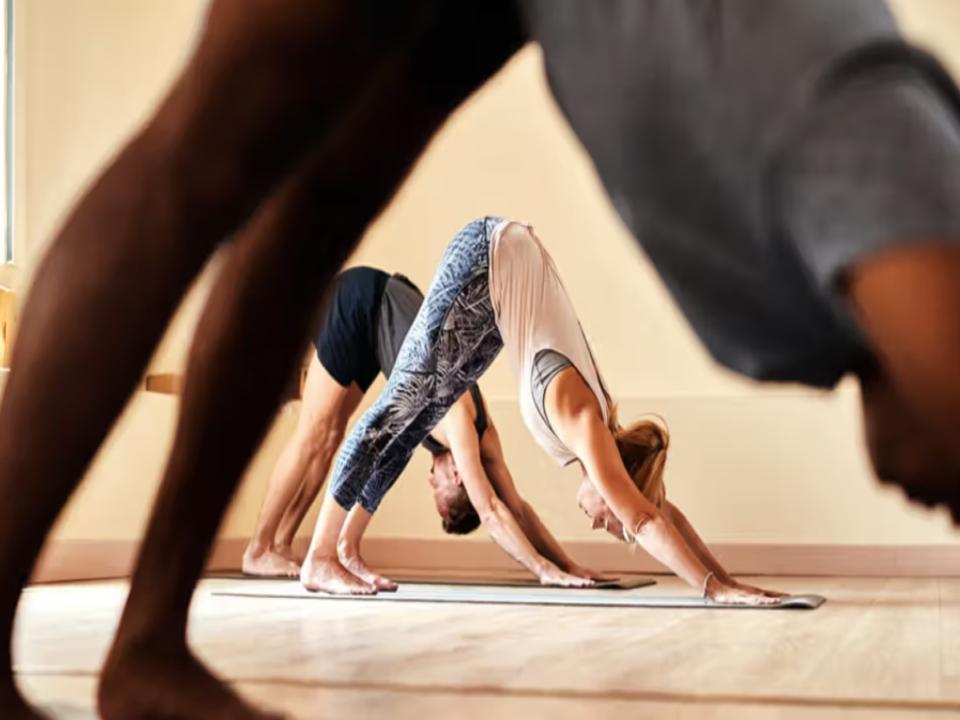
- Dynamic Poses: Sun Salutations, Warrior Flows, High Lunge
- Balance Poses: Tree Pose, Eagle Pose, Half Moon Pose
- Breathwork: Lion’s Breath, Alternate Nostril Breathing (Nadi Shodhana)
- Grounding Poses: Child’s Pose, Seated Forward Fold
💡 Why ADHD Yoga Works: The combination of movement, breathwork, and balance stimulates focus, regulates energy, and supports emotional well-being.
ASD Yoga: Structure, Sensory Comfort, and Emotional Regulation
Autism Spectrum Disorder (ASD) affects sensory processing, emotional regulation, and communication. Many individuals with ASD experience heightened sensory sensitivity and benefit from structured, predictable activities. Yoga can help by providing a calming, repetitive routine that promotes self-awareness and relaxation.
Key Features of ASD-Friendly Yoga
- Structured Sequences Reduce Anxiety
Predictability is essential for individuals with ASD. Yoga sequences should follow a consistent order, such as:- Centering (breathwork)
- Warm-up stretches
- Core yoga poses (gentle and grounding)
- Closing relaxation (guided meditation or stillness)
A set routine helps individuals feel safe and reduces stress from unexpected changes.
- Low-Stimulation Environments Improve Comfort
Many individuals with ASD are sensitive to loud noises, bright lights, and sudden movements. An ideal ASD-friendly yoga space includes:- Dim lighting or natural light
- Soft, calming background music (or silence if preferred)
- Minimal distractions (no sudden noises, crowded spaces, or flashing screens)
- Slow, Gentle Movements Help with Sensory Processing
Fast movements may feel overwhelming for someone with ASD. Slower-paced yoga styles such as Hatha Yoga and Restorative Yoga allow for controlled movements and deep breathing, reducing sensory overload. - Breathwork Supports Emotional Regulation
Many individuals with ASD experience difficulty managing strong emotions. Breathwork practices such as Humming Bee Breath (Bhramari) or Deep Belly Breathing help calm the nervous system and regulate emotions. - Props Provide Additional Support
Yoga props such as weighted blankets, bolsters, and blocks create a sense of security. Using props helps individuals feel supported, which improves their ability to relax and focus on their practice.
Best ASD Yoga Poses
- Calming Poses: Child’s Pose, Seated Forward Fold, Legs-Up-The-Wall Pose
- Sensory-Regulating Poses: Butterfly Pose, Happy Baby, Reclining Bound Angle
- Breathwork: Deep Belly Breathing, Humming Bee Breath
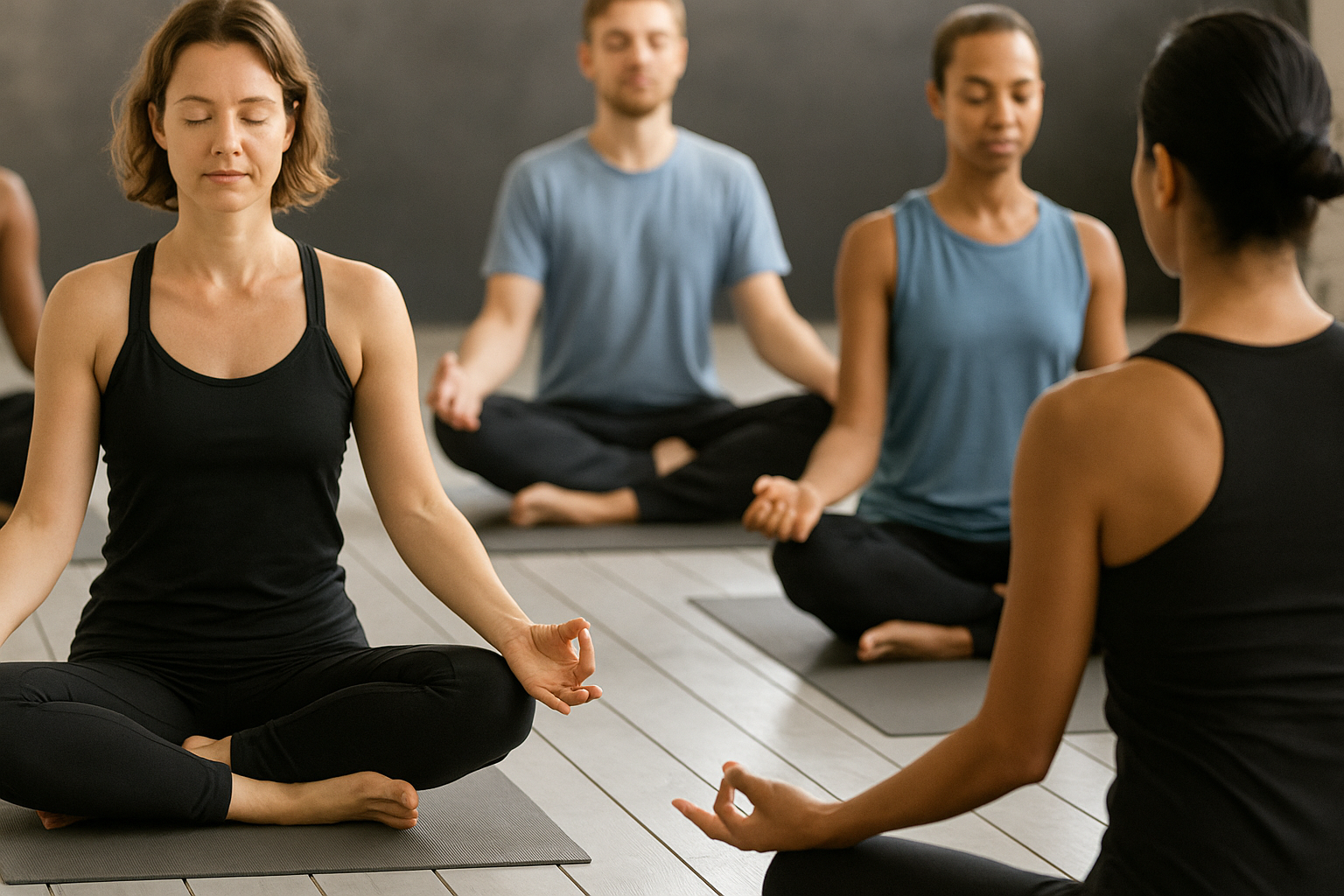
- Grounding Poses: Mountain Pose, Easy Pose (cross-legged meditation)
💡 Why ASD Yoga Works: A slow, structured, and sensory-friendly practice reduces anxiety, improves body awareness, and fosters emotional stability.
ADHD vs. ASD Yoga: Key Differences & Best Practices
Yoga for ADHD and ASD serves different needs. ADHD-friendly yoga is fast, stimulating, and movement-based, while ASD-friendly yoga is structured, slow, and sensory-conscious.
If someone experiences both ADHD and ASD traits, they may benefit from a blended approach that includes:
- Short bursts of movement followed by grounding relaxation
- Interactive, engaging poses with structured, predictable sequencing
- Breathwork techniques that balance focus with emotional regulation
For ADHD individuals, a dynamic flow with quick transitions works best. For ASD individuals, a predictable, calming routine is more effective. If both are present, adjust the practice based on individual preferences and comfort levels.
Conclusion: Which Yoga Style is Best for You?
Yoga can be a powerful tool for self-regulation, mental clarity, and emotional well-being. ADHD-friendly yoga helps with focus, energy management, and engagement, while ASD-friendly yoga supports sensory comfort, structure, and relaxation.
The key to success is choosing a style that aligns with individual needs. For ADHD, movement-based practices improve concentration and impulse control. For ASD, structured routines enhance emotional balance and sensory awareness. If both conditions are present, blending movement and stillness can create the ideal practice.