Yoga and Neurodiversity: The Connections in 2025
In 2025, the connection between yoga and neurodiversity has gained remarkable attention. Yoga’s inclusive nature and adaptability make it a powerful tool for individuals across the neurodiverse spectrum. With new insights emerging, the relationship between yoga and neurodiversity is evolving rapidly. This blog explores these connections and their transformative potential.
Understanding Neurodiversity and Its Unique Needs
Neurodiversity embraces differences in human brain function and behavior. It includes conditions like autism, ADHD, and dyslexia. Each neurodivergent individual brings unique strengths and challenges to the world. Understanding these traits is key to creating supportive environments.
Neurodivergent individuals often face sensory overload, emotional regulation challenges, and social communication differences. They also demonstrate creativity, hyperfocus, and out-of-the-box thinking. These strengths and challenges require tailored approaches in wellness practices.
Yoga provides an adaptable framework that accommodates diverse needs. Its physical poses, breathing techniques, and mindfulness exercises can be customized. This flexibility makes yoga an inclusive practice that meets neurodiverse individuals where they are.
Research in 2025 highlights how yoga addresses sensory processing and emotional regulation. Calming techniques like deep breathing reduce overstimulation. Gentle poses enhance body awareness, improving motor skills and self-regulation. These benefits help neurodivergent individuals navigate daily challenges more effectively.
By recognizing neurodiverse strengths and addressing unique needs, yoga creates an inclusive space. This fosters acceptance and personal growth, supporting the well-being of neurodivergent individuals. In 2025, this understanding shapes yoga practices designed for neurodiverse communities.
How Yoga Enhances Emotional Regulation in Neurodiverse Individuals
Emotional regulation is a common challenge for neurodivergent individuals. Yoga offers practical tools to build self-awareness and resilience. In 2025, these benefits are more evident than ever.
Breathing exercises, or pranayama, are foundational to yoga. Techniques like alternate nostril breathing calm the nervous system. Deep breathing activates the parasympathetic response, reducing stress and anxiety. Neurodivergent individuals can use these tools during overwhelming moments.
Mindfulness is another powerful aspect of yoga. Practices like guided meditation encourage present-moment awareness. This helps neurodivergent individuals identify emotions without judgment. Over time, they develop healthier ways to process feelings.
Yoga also incorporates movement, which supports emotional regulation. Slow, deliberate poses engage the body and mind. Movements like child’s pose or forward folds create a sense of grounding. These poses provide comfort during emotional distress.
Incorporating yoga into daily routines builds emotional resilience. Neurodivergent individuals can practice short sequences tailored to their needs. This consistency strengthens their ability to navigate emotional ups and downs.
Emotional regulation is essential for personal and social success. By enhancing these skills, yoga empowers neurodiverse individuals to thrive in diverse settings. In 2025, the integration of yoga into therapeutic approaches continues to grow.
Sensory Integration Through Yoga Practices
Sensory integration challenges are common in neurodiversity. Yoga’s sensory-friendly practices offer relief by promoting balance and focus. In 2025, these methods are refined to better support neurodivergent individuals.
Sensory processing involves interpreting and responding to sensory input. Neurodivergent individuals may experience heightened or reduced sensitivity to stimuli. This can lead to discomfort, distraction, or shutdowns. Yoga helps by creating controlled sensory experiences.
Grounding poses like mountain pose or tree pose build body awareness. These movements engage proprioception, the sense of body position. Weighted props like blankets or sandbags provide additional sensory input, enhancing comfort and focus.
Breathing techniques also regulate sensory responses. Slow, rhythmic breaths anchor attention and calm the nervous system. Practices like ocean breath (ujjayi) mimic soothing natural sounds, providing auditory comfort.
Mindfulness in yoga integrates multiple senses. Guided meditations use visualization, sound, and touch to create calming environments. Neurodivergent individuals can explore sensory input in safe, predictable ways.
Yoga teachers in 2025 receive specialized training in sensory integration. Classes incorporate sensory-friendly elements like dim lighting and minimal distractions. These adaptations create inclusive spaces that support neurodivergent participants.
By addressing sensory needs, yoga fosters a sense of stability and well-being. Neurodivergent individuals gain tools to navigate sensory-rich environments with confidence and ease.
Building Community and Connection Through Yoga
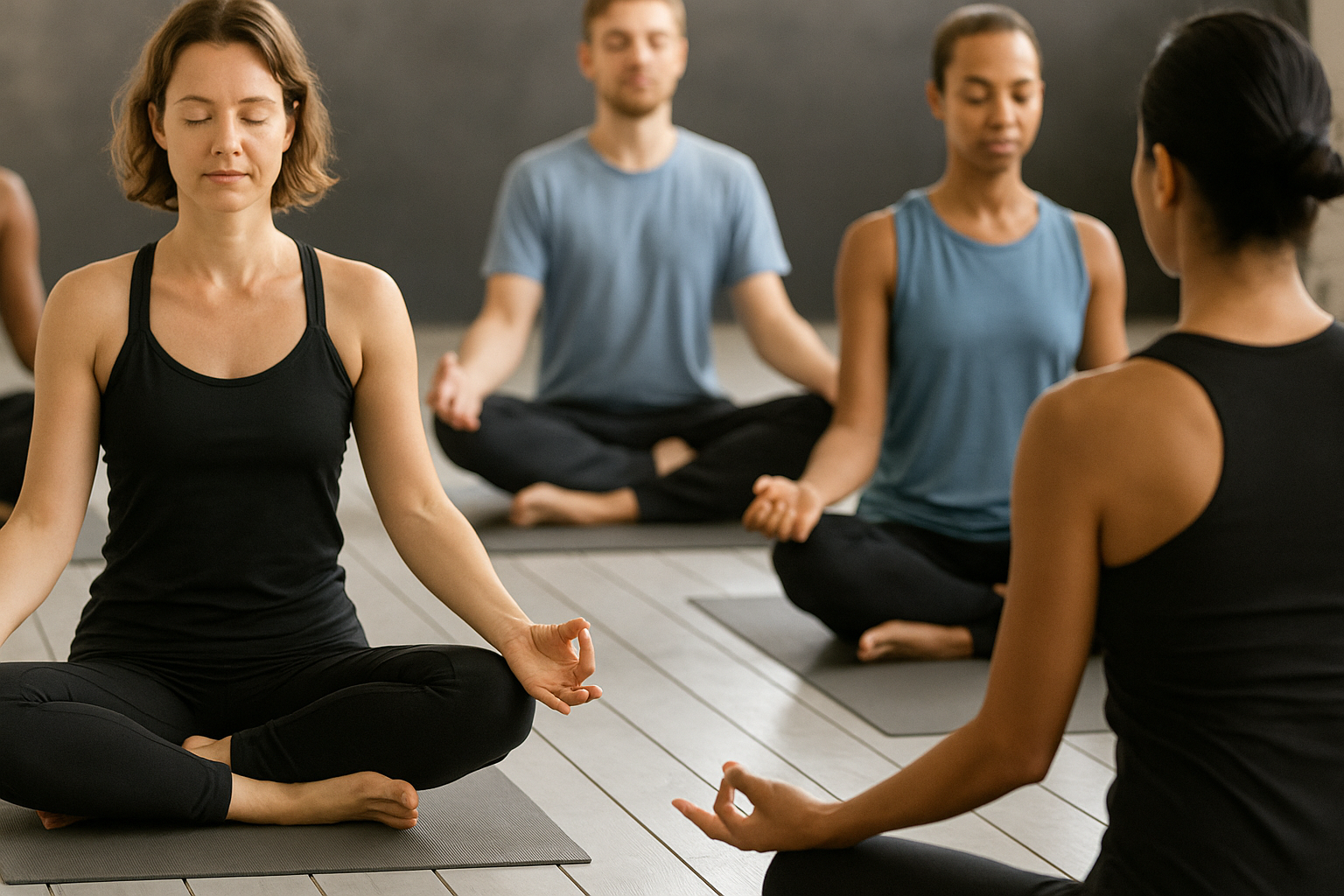
Social challenges often accompany neurodiversity, making community connection vital. Yoga fosters inclusivity, creating spaces where neurodivergent individuals feel seen and valued. In 2025, this sense of belonging is a cornerstone of neurodiversity-focused yoga.
Yoga classes designed for neurodivergent individuals emphasize acceptance. Instructors cultivate nonjudgmental environments where participants can be themselves. This builds trust and encourages self-expression.
Partner yoga and group activities enhance social engagement. These exercises involve cooperation and communication, strengthening interpersonal skills. Neurodivergent individuals practice interacting in structured, supportive settings.
Online yoga communities also expand access to connection. Virtual classes allow participants to engage from the comfort of home. Forums and social media groups offer spaces to share experiences and resources. These platforms foster global connections among neurodiverse individuals and allies.
Family yoga sessions create opportunities for shared experiences. Parents and siblings join neurodivergent individuals in practices that build understanding and connection. This strengthens family bonds and promotes empathy.
In 2025, yoga studios prioritize inclusion by offering diverse class formats. Neurodivergent individuals can choose options that suit their needs, from one-on-one sessions to small groups. These choices empower them to engage on their terms.
Community connection is essential for mental and emotional health. By creating inclusive spaces, yoga supports neurodiverse individuals in building meaningful relationships.
Innovations in Yoga for Neurodiversity in 2025
The year 2025 brings innovative approaches to yoga and neurodiversity. These advancements enhance accessibility, effectiveness, and inclusivity for neurodivergent individuals.
Adaptive technology plays a key role. Apps and virtual reality (VR) experiences guide users through customized yoga sessions. VR environments replicate calming settings, reducing external distractions. These tools make yoga more accessible for individuals with sensory sensitivities.
Yoga therapy integrates with other disciplines, like occupational and speech therapy. Multidisciplinary approaches address neurodivergent needs holistically. Therapists use yoga to support motor skills, communication, and emotional regulation.
Specialized teacher training ensures instructors are equipped to support neurodiverse participants. Programs focus on understanding neurodiversity, adapting practices, and creating sensory-friendly environments. This expertise enhances the quality of yoga instruction.
Innovations also extend to yoga props. Weighted blankets, textured mats, and sensory cushions enhance the practice. These tools provide proprioceptive input and comfort, supporting focus and relaxation.
Inclusivity in 2025 involves diverse representation. Yoga media features neurodivergent individuals as instructors and participants. This visibility inspires others to explore yoga’s benefits without stigma.
Research continues to explore yoga’s impact on neurodiversity. Studies investigate its effects on brain function, behavior, and quality of life. These findings inform practices that better serve neurodivergent communities.
In 2025, innovations make yoga more accessible and impactful for neurodivergent individuals. These advancements reflect a growing commitment to inclusion and empowerment.
Conclusion: Yoga and Neurodiversity—A Growing Connection in 2025
The connections between yoga and neurodiversity continue to evolve in 2025. Yoga’s adaptability and inclusivity make it a valuable resource for neurodivergent individuals. From emotional regulation to sensory integration, yoga addresses diverse needs and promotes well-being.
By fostering community and embracing innovation, yoga creates spaces where neurodivergent individuals thrive. These practices empower them to navigate life’s challenges with resilience and confidence. As awareness grows, so does the potential for yoga to transform lives across the neurodiverse spectrum.
Yoga and neurodiversity—a connection that inspires growth, inclusion, and hope for the future.