 The Future of Neurodiverse Yoga
Yoga has evolved to accommodate diverse needs. Neurodiverse yoga is the next step, ensuring inclusivity for individuals with autism, ADHD, and other neurological differences. The future of neurodiverse yoga promises accessibility, innovation, and a shift in teaching methods.
Neurodivergent individuals often experience yoga differently. While traditional classes focus on verbal instructions and fast transitions, neurodiverse yoga requires a more adaptable approach. Future practices will include modified teaching methods, personalized support, and the integration of technology.
Yoga offers benefits for all, but neurodivergent individuals face unique challenges. Many find it hard to follow complex sequences or experience sensory overload in traditional studios. The evolution of neurodiverse yoga will ensure everyone can access its physical, mental, and emotional benefits.
As we explore the future of neurodiverse yoga, we will examine sensory-friendly yoga spaces, adapted teaching methods, and how technology will revolutionize accessibility.
Creating Sensory-Friendly Yoga Spaces
Traditional yoga studios can be overwhelming. Harsh lights, strong scents, and crowded spaces create barriers for neurodivergent individuals. Future neurodiverse yoga spaces will prioritize sensory-friendly environments.
Many yoga studios currently follow a one-size-fits-all approach. This does not work for neurodivergent individuals, who may need spaces tailored to their unique sensory needs. In the future, studios will feature dimmable lighting, soundproof walls, and scent-free policies. Adjustable lighting will reduce sensory overload, while minimal decorations and neutral colors will provide a calming atmosphere.
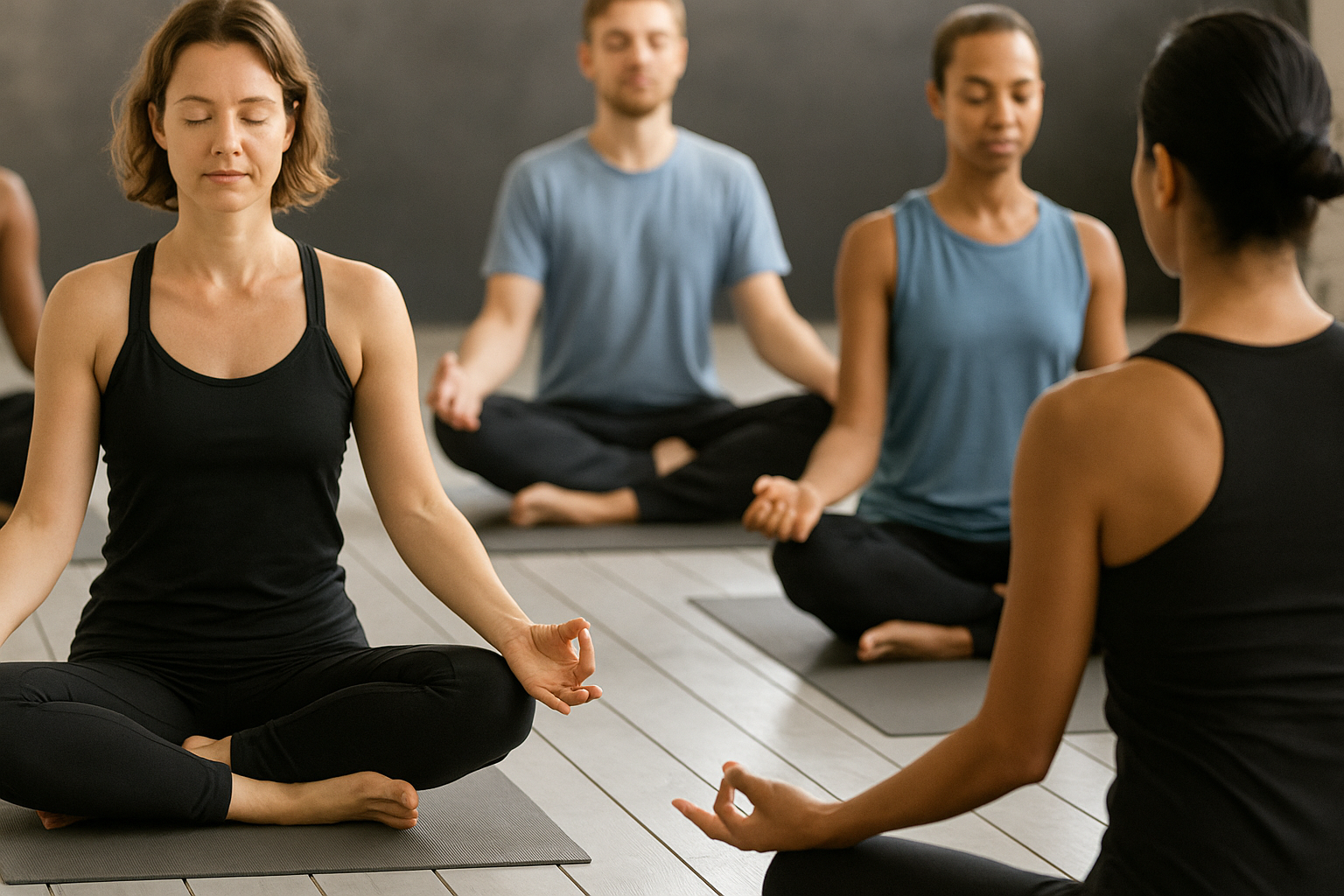
Personal space is essential for neurodivergent individuals. Many struggle with close proximity to others, especially in crowded classes. Future studios will integrate larger personal practice areas, reducing anxiety and sensory discomfort. Visual markers on the floor will help define individual spaces, ensuring comfort.
Studios will also incorporate quiet zones where individuals can take breaks without feeling pressured to keep up with the class. Neurodivergent participants may need more time to transition between poses or require moments of stillness. These dedicated spaces will make yoga more accessible to those who need sensory regulation.
Virtual and outdoor yoga will expand accessibility. Many neurodivergent individuals prefer practicing in familiar environments. Virtual classes allow participants to engage in yoga from home, reducing sensory challenges. Outdoor yoga will also provide a soothing alternative for those who feel overwhelmed in indoor spaces.
The future of neurodiverse yoga depends on designing spaces that consider sensory needs. By prioritizing comfort, studios will create an inclusive and welcoming environment.
Adapting Yoga Teaching Methods for Neurodivergent Minds
Traditional yoga instruction often relies on verbal cues and rapid transitions. Neurodiverse yoga will adapt to different learning styles. Future instructors will use clear, step-by-step instructions, visual guides, and alternative communication methods.
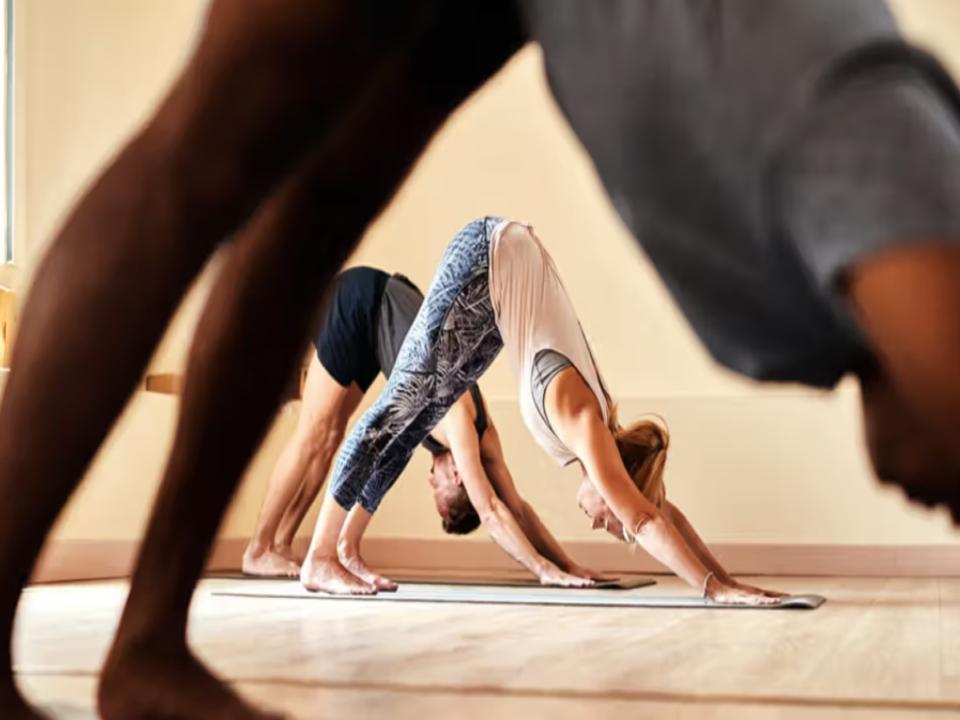
Instructors will receive specialized training in neurodiverse-friendly teaching. They will learn to break down poses into smaller, manageable steps. Slow, deliberate transitions will replace fast-paced sequences, allowing for better comprehension.
Verbal instructions will be simplified, focusing on clear, concise language. Many neurodivergent individuals struggle with processing lengthy or abstract directions. Future instructors will use short, direct cues, paired with visual demonstrations.
Visual supports like pose charts and videos will help reinforce learning. Some neurodivergent individuals process information better through images rather than words. Providing visual guides ensures accessibility for different learning preferences.
Hands-on adjustments may be stressful for some individuals. Future instructors will prioritize consent-based, hands-off guidance. They will use verbal encouragement, mirrors, and props to assist in alignment.
Customizable class structures will accommodate varying attention spans. Shorter class durations, flexible pacing, and breaks will cater to ADHD-friendly learning. Neurodivergent individuals will have the option to choose the pace that works best for them.
Future yoga will embrace diverse learning styles, ensuring a more inclusive experience. With thoughtful adaptations, neurodivergent individuals will feel more engaged and supported in their practice.
Technology and Innovation in Neurodiverse Yoga
Technology will revolutionize neurodiverse yoga. Virtual reality (VR), artificial intelligence (AI), and adaptive apps will enhance accessibility and engagement.
VR yoga experiences will provide guided, immersive sessions in calming virtual spaces. Users will control settings, reducing anxiety caused by unpredictable environments. AI-driven programs will offer personalized recommendations, adjusting poses and sequences based on individual needs.
Adaptive apps will include customizable settings for lighting, sound, and guidance styles. Neurodivergent individuals will be able to modify class structures based on their sensory preferences. AI-generated feedback will help refine postures without instructor intervention.
Wearable technology will assist with self-regulation. Devices measuring heart rate and stress levels will offer real-time feedback. This allows participants to adjust their practice accordingly, promoting better emotional regulation.
Live-streamed and on-demand neurodiverse yoga classes will increase accessibility. Participants will have the option to pause, rewind, and adapt their sessions at their own pace. This removes pressure from live, in-person classes.
Future technology will also include AI-driven personal yoga coaches. These systems will use machine learning to analyze body movement and suggest personalized adjustments. This will be particularly helpful for neurodivergent individuals who prefer private practice.
The future of neurodiverse yoga will integrate technology to enhance accessibility and support individualized practice. By leveraging innovations, yoga will become more inclusive and adaptable.
The Role of Community in Neurodiverse Yoga
Building an inclusive yoga community is essential for its future. Neurodivergent individuals often feel isolated due to a lack of understanding and acceptance. Creating a supportive environment will ensure long-term success.
Studios and instructors will emphasize inclusivity and neurodiverse awareness. Training programs will educate teachers on the challenges neurodivergent individuals face. This will foster a more accepting and accommodating yoga culture.
Peer support groups will emerge, allowing neurodivergent yogis to connect, share experiences, and support each other. Online forums and social media groups will provide safe spaces for discussions. These communities will help participants feel understood and encouraged.
Future studios will implement mentorship programs, where experienced neurodivergent practitioners guide newcomers. This will ease the transition into yoga for those who may feel hesitant.
By fostering a strong community, neurodiverse yoga will not only be accessible but also empowering. Connection and shared experiences will play a crucial role in its continued growth.
The Future of Neurodiverse Yoga: A More Inclusive Tomorrow
Neurodiverse yoga is evolving. The future promises sensory-friendly spaces, adapted teaching methods, and innovative technology. These changes will ensure that neurodivergent individuals can fully experience yoga’s benefits.
With continued progress, neurodiverse yoga will become more accessible and widely available. The goal is to create an inclusive, empowering environment where all individuals can practice comfortably.
The future of neurodiverse yoga is here, and it’s more inclusive than ever before.