How Yoga Can Help ASD
Yoga is a powerful tool that can support individuals with Autism Spectrum Disorder (ASD). It offers a holistic approach to improve physical, emotional, and social well-being. By addressing sensory sensitivities, emotional regulation, and physical health, yoga provides unique benefits tailored to the needs of neurodiverse individuals. In this blog, we’ll explore how yoga can help ASD and why it’s worth incorporating into daily routines.
Enhancing Emotional Regulation
Individuals with ASD often face challenges with emotional regulation. They might experience heightened anxiety, frustration, or difficulty managing overwhelming emotions. Yoga offers practical tools to address these challenges effectively.
Breathing exercises, or pranayama, are a cornerstone of yoga. These exercises help calm the nervous system and reduce stress. For individuals with ASD, focusing on controlled breathing can provide an anchor during moments of emotional overwhelm. Simple practices like alternate nostril breathing or deep belly breathing can foster a sense of calm and safety.
Yoga also encourages mindfulness. By paying attention to the present moment, individuals can develop greater awareness of their emotions. This awareness is key to identifying and managing triggers before they escalate. Mindfulness techniques, combined with physical movement, create a grounding effect that helps regulate emotions.
Furthermore, yoga teaches self-compassion. For individuals with ASD, who might face judgment or misunderstanding, self-compassion fosters resilience. Regular practice helps individuals acknowledge their feelings without self-criticism, promoting a healthier emotional state.
Incorporating yoga into a daily routine provides consistent opportunities for emotional growth. Whether through a structured class or a short home session, the benefits are cumulative. Over time, individuals with ASD can build tools to navigate their emotional landscape with greater ease and confidence.
Supporting Sensory Integration
Sensory sensitivities are a hallmark of ASD. Loud noises, bright lights, or certain textures can be overwhelming. Yoga’s structured, gentle approach provides a sensory-friendly environment that helps individuals process sensory information more effectively.
Yoga classes designed for ASD often use calming lighting, soft sounds, and predictable routines. This consistency helps individuals feel safe and reduces sensory overload. Specific poses, such as child’s pose or downward-facing dog, provide proprioceptive input that can be soothing. These poses apply gentle pressure to the body, creating a sense of grounding and comfort.
Breathing exercises also play a role in sensory integration. Slow, intentional breathing can help regulate the autonomic nervous system. This regulation reduces the fight-or-flight response often triggered by sensory overload, promoting a state of relaxation.
Yoga props, such as weighted blankets or bolsters, can enhance the sensory experience. These tools provide tactile feedback that helps individuals connect with their bodies. For example, using a bolster during restorative poses offers gentle support and stability, making the practice more accessible and enjoyable.
Regular yoga practice can improve sensory processing over time. By engaging with structured, predictable activities in a calming environment, individuals with ASD develop greater resilience to sensory challenges. This resilience extends beyond the yoga mat, enhancing their ability to navigate daily life with confidence.
Improving Social Skills
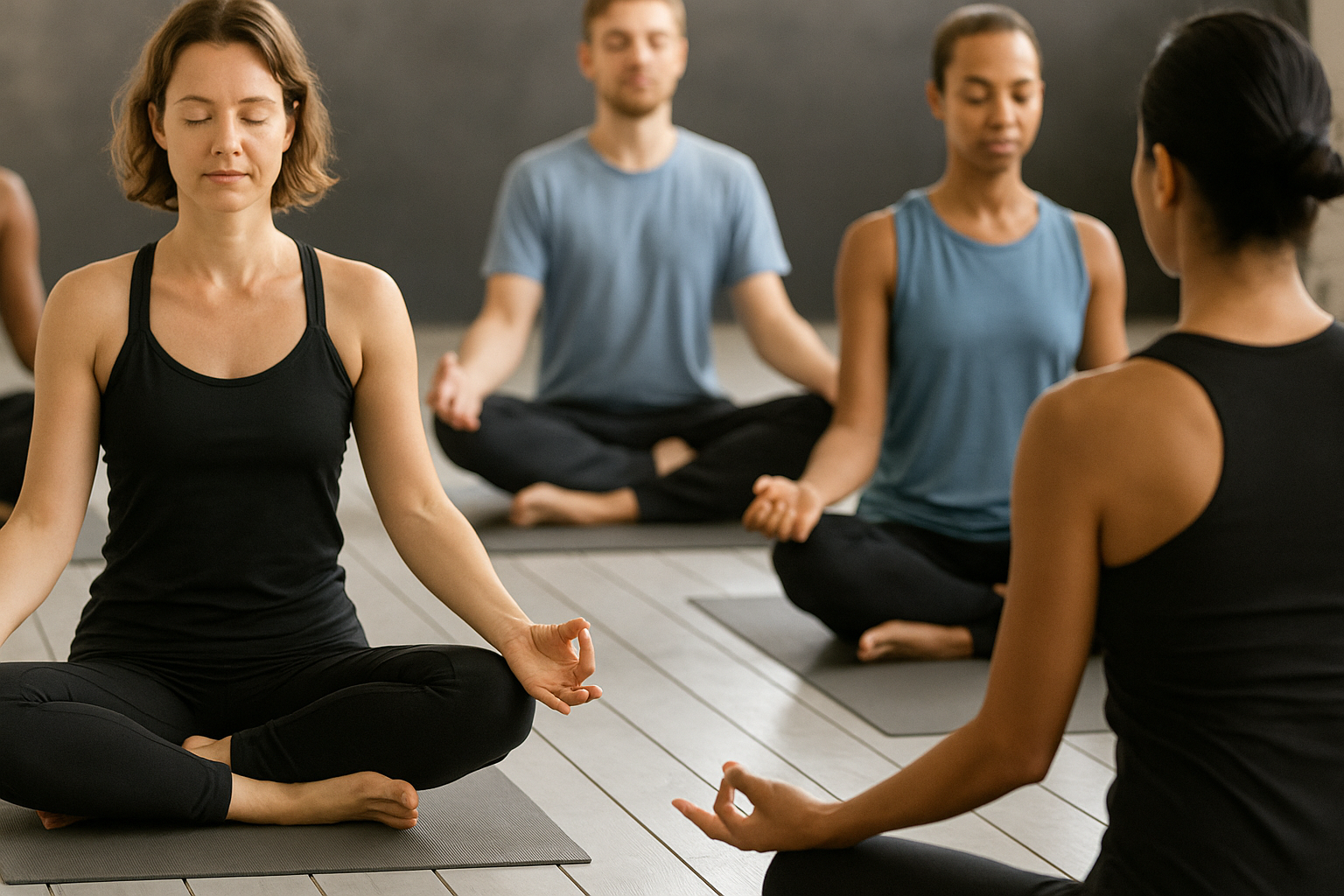
Social interactions can be challenging for individuals with ASD. Yoga classes provide a supportive setting to practice social skills in a low-pressure environment. Through shared experiences and gentle guidance, individuals can build confidence and develop meaningful connections.
Partner poses and group activities are valuable aspects of yoga for social skill development. These activities encourage communication, cooperation, and trust. For instance, a simple partner stretch fosters teamwork and mutual understanding. Participants learn to navigate shared space and respect each other’s boundaries, essential skills for social interactions.
Instructors often model positive communication during yoga sessions. They use clear, calm language and offer encouragement, setting an example for participants to follow. This modeling helps individuals with ASD understand and adopt effective ways of interacting with others.
Yoga also provides opportunities for nonverbal communication. Movements, gestures, and eye contact during poses or transitions create a subtle, supportive way to connect. These nonverbal interactions help individuals practice recognizing and responding to social cues in a comfortable setting.
Additionally, yoga fosters a sense of community. Regular attendance at classes creates familiarity and a sense of belonging. This consistent, positive interaction helps individuals feel more at ease in social settings over time. By blending physical activity with social engagement, yoga offers a unique avenue for building essential social skills.
Enhancing Physical Health
Physical health is an essential aspect of well-being, and yoga offers numerous benefits for individuals with ASD. The practice improves strength, flexibility, and coordination, contributing to overall physical fitness.
Yoga poses strengthen core muscles, improve posture, and enhance body awareness. For individuals with ASD, who might experience hypotonia or motor coordination challenges, these benefits are particularly significant. Balancing poses like tree pose or warrior III help develop stability and concentration, promoting better motor control.
Flexibility is another key benefit. Gentle stretches during yoga sessions increase range of motion and reduce muscle tension. For individuals with sensory sensitivities, this release can create a profound sense of physical and emotional relief.
Breathing exercises in yoga also support physical health. Controlled breathing improves oxygenation and circulation, boosting energy levels and overall vitality. For individuals with ASD, these benefits can enhance their ability to engage in daily activities with greater ease.
Moreover, yoga’s emphasis on relaxation supports better sleep. Individuals with ASD often struggle with sleep disturbances, which can impact their physical health and emotional well-being. Incorporating yoga before bedtime helps signal the body to wind down, promoting restful and restorative sleep.
Consistent yoga practice builds a foundation for lifelong physical health. By fostering strength, flexibility, and relaxation, yoga empowers individuals with ASD to enjoy a healthier, more active lifestyle.
Encouraging Self-Esteem and Confidence
Low self-esteem is a common challenge for individuals with ASD. Yoga’s non-competitive and inclusive nature provides a safe space to build confidence and self-worth.
One way yoga boosts self-esteem is through achievable goals. Each pose offers an opportunity for success, whether it’s holding a posture for a few seconds or mastering a challenging transition. These small victories accumulate, creating a sense of accomplishment and pride.
Yoga also emphasizes individuality. Participants are encouraged to focus on their own practice rather than comparing themselves to others. This focus on personal growth helps individuals with ASD appreciate their unique strengths and progress.
Positive reinforcement from instructors further enhances confidence. Gentle encouragement and acknowledgment of effort create a supportive atmosphere. For individuals who may have faced criticism or misunderstanding, this positive feedback is particularly impactful.
The mind-body connection cultivated in yoga also contributes to self-esteem. As individuals become more attuned to their bodies, they develop a greater sense of self-awareness and empowerment. This connection reinforces the idea that they are capable and in control of their experiences.
Over time, the confidence gained through yoga extends into other areas of life. Whether it’s speaking up in a group, trying new activities, or navigating challenges, the self-assurance fostered on the mat becomes a valuable asset in daily living.
Yoga as a Holistic Support for ASD
Yoga’s holistic approach addresses multiple dimensions of well-being, making it an invaluable tool for individuals with ASD. By combining physical movement, breath control, mindfulness, and social interaction, yoga offers a comprehensive framework for growth.
One of yoga’s strengths is its adaptability. Practices can be tailored to suit individual needs and preferences. For example, a highly active individual might benefit from dynamic sequences like sun salutations, while someone seeking calm might prefer restorative poses and deep breathing. This flexibility ensures that yoga is accessible to all, regardless of ability or experience.
The cumulative benefits of yoga make it a powerful tool for long-term support. Regular practice enhances resilience, reduces stress, and promotes overall well-being. These improvements not only help individuals with ASD but also positively impact their families and caregivers.
Yoga also aligns with other therapeutic approaches. It can complement speech therapy, occupational therapy, and other interventions by reinforcing skills in a new context. For instance, yoga’s emphasis on body awareness and movement can enhance physical therapy outcomes, while mindfulness practices support emotional regulation strategies taught in counseling.
Ultimately, yoga’s holistic nature makes it more than just an exercise. It’s a practice that fosters connection—to oneself, to others, and to the world. For individuals with ASD, this connection can be transformative, opening doors to greater self-understanding, growth, and fulfillment.
How Yoga Can Help ASD
Yoga provides profound benefits for individuals with Autism Spectrum Disorder. From enhancing emotional regulation to supporting sensory integration, improving social skills, and boosting self-esteem, the practice offers a versatile and effective approach to well-being. By addressing the unique needs of neurodiverse individuals, yoga empowers them to navigate life with greater ease and confidence. Whether practiced at home or in a supportive class environment, yoga is a valuable tool for growth and transformation. If you’re considering incorporating yoga into your routine, take the first step today and experience the difference it can make.