ASD Yoga Teacher Training: What You Learn and How It Works (2025 Guide)
People want yoga training options that respect real needs. Many people also want training that works for ASD, ADHD, and sensory differences. ASD Yoga Teacher Training: What You Learn and How It Works (2025 Guide) offers that clarity. This guide explains how ASD-focused yoga training works. It also shows what you learn and how this style supports unique learners. The goal is simple. You understand the structure, the skills, and the full value of training designed for the spectrum.
ASD yoga training continues to grow fast. Many students want supportive environments that reduce overload. Others want clear routines, step-by-step teaching, and direct language. This guide explains these elements without fluff. You see how the program supports sensory needs and builds teaching confidence. You also learn how this training prepares future teachers to offer safe classes for neurodivergent students. The next sections break down the full system and show how each part works.
What ASD Yoga Teacher Training Actually Teaches
ASD yoga training teaches core yoga skills using calm structure. Students learn poses, breath work, and safety principles. Each lesson uses direct steps and predictable routines. This approach supports focus and reduces anxiety. The training also avoids vague cues. Students receive clear guidance and simple language. This helps regulate attention and supports confident movement.
The curriculum includes sensory-aware teaching. Students learn how lights, sound, temperature, and space affect people with ASD. They practice adapting classes for lower stimulation. They also learn grounding exercises that steady the nervous system. These skills help both teachers and students. Many learners use these methods in real life when stress rises.
The program also teaches communication tools. Many people with ASD prefer clear words and consistent tone. Training shows how to speak in ways that support comfort. Students practice cueing without pressure. They also practice giving choice without overload. These tools help future teachers create safer spaces for diverse students.
Students also learn trauma-informed basics. This includes consent, predictable pacing, and optional participation. Many neurodivergent students have experienced stress in past yoga classes. A trauma-sensitive foundation protects them. It also teaches future teachers how to avoid common mistakes. These mistakes include forced adjustments, unpredictable pacing, or excessive talking.
Finally, the training covers teaching skills. Students learn class structure, sequencing, and lesson planning. They learn how to design routines that fit different sensory systems. They practice slow step-by-step progression. They also learn how to close classes with grounding. All combined, this gives new teachers confidence and clear methods that work.
How ASD Yoga Teacher Training Works in Practice
ASD yoga training uses a structure that supports regular routines. Many programs combine video learning with guided practice. Students watch clear demonstrations without noise or fast cuts. They move at their own pace. They avoid pressure to match a group and can repeat lessons anytime.
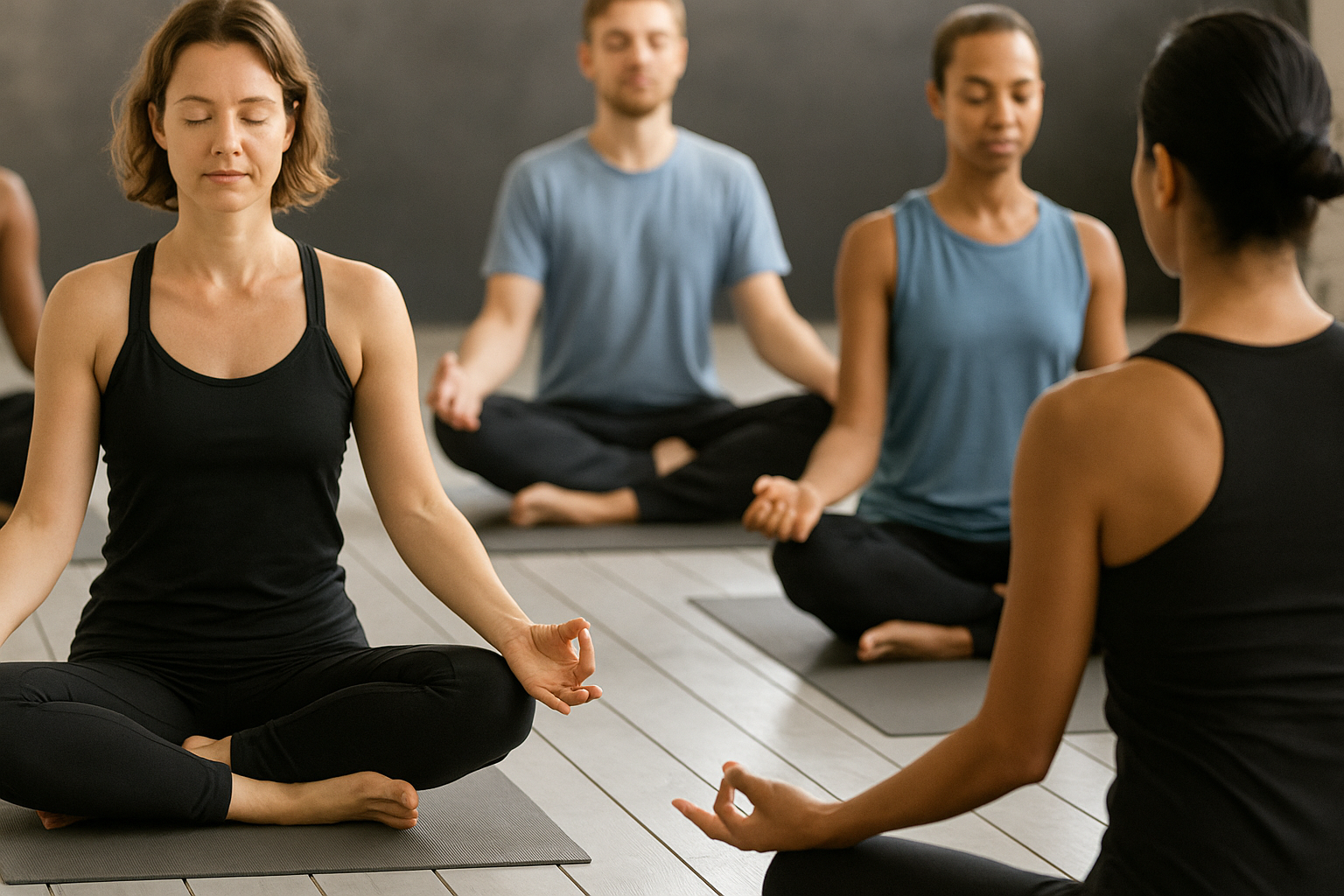
In-person sessions use stable environments. Rooms stay quiet. Lighting stays soft. Teachers use simple cues and avoid sensory overload. Students can take breaks without judgment. This structure creates trust and reduces stress. It also supports stronger learning. Many neurodivergent students learn better when they feel safe and settled.
Group sizes remain small. This keeps energy calm and communication easy. Teachers can support each student. They can also adjust the pace for the group. Small groups also reduce social overwhelm. Many students feel more relaxed and present in this style.
The training uses predictable routines. Every class follows a stable order. Students know what comes next before it happens. This reduces anxiety and supports stronger memory. Many ASD students thrive with steady structure. Repetition builds confidence and mastery.
Assessments stay simple and supportive. Students demonstrate poses or teach short sequences. The goal is not perfection. The goal is clear communication and safe structure. Many students feel more comfortable with this system because it avoids harsh judgment. The training helps each person grow at the right pace.
The full program prepares students to teach real classes. They learn how to design slow, steady sequences. They learn grounding skills for emotional regulation. They learn sensory-safe setups. They also learn how to lead groups with calm authority. When they finish, they hold practical skills that work in real settings.
Why ASD-Focused Training Matters in 2025
Demand for ASD-informed yoga continues to rise. More adults now seek training that respects sensory needs. Many standard programs move too fast or rely on vague cues. ASD programs solve these problems with structure and clarity. They also support students with real-world attention challenges.
Many people with ASD struggle in typical wellness spaces. Loud music, fast flows, or unclear instructions can cause stress. ASD-focused training removes those barriers. It brings yoga back to a simple and supportive form. It offers clear steps, grounded pacing, and predictable systems. This helps more people stay present and engaged.
The training also matters because more people now teach neurodivergent students. Standard yoga training does not address these needs. Many teachers feel unsure about how to support ASD or ADHD students. ASD-focused training fills that gap. It gives teachers real tools and working methods. This improves safety and comfort in every class.
2025 also brings stronger awareness of trauma-informed practices. Many neurodivergent people carry long histories of being misunderstood. Yoga can help them regulate and reconnect. But it must be taught in safe ways. ASD-focused training integrates these principles in simple terms. It helps future teachers understand triggers and create steady environments.
This training also matters because it supports community. Many ASD students feel isolated. Yoga classes with sensory-aware structure can become grounding spaces. Teachers trained in ASD methods help build these spaces. Their classes offer calm, clarity, and acceptance. These qualities matter now more than ever.
Conclusion: ASD Yoga Teacher Training: What You Learn and How It Works (2025 Guide)
ASD yoga training teaches clear, structured skills that support real needs. Students learn poses, sensory-aware methods, and trauma-informed basics. They also learn communication tools that build trust and safety. The training uses predictable routines and calm spaces. It supports confidence, clarity, and long-term growth.
ASD Yoga Teacher Training: What You Learn and How It Works (2025 Guide) shows how this system works. It offers a direct path for people who want practical skills and safe structure. This style helps new teachers support diverse students with respect and confidence. In 2025, this training remains one of the most supportive and accessible ways to learn yoga teaching.