What Makes an ADHD Yoga Class Specific?
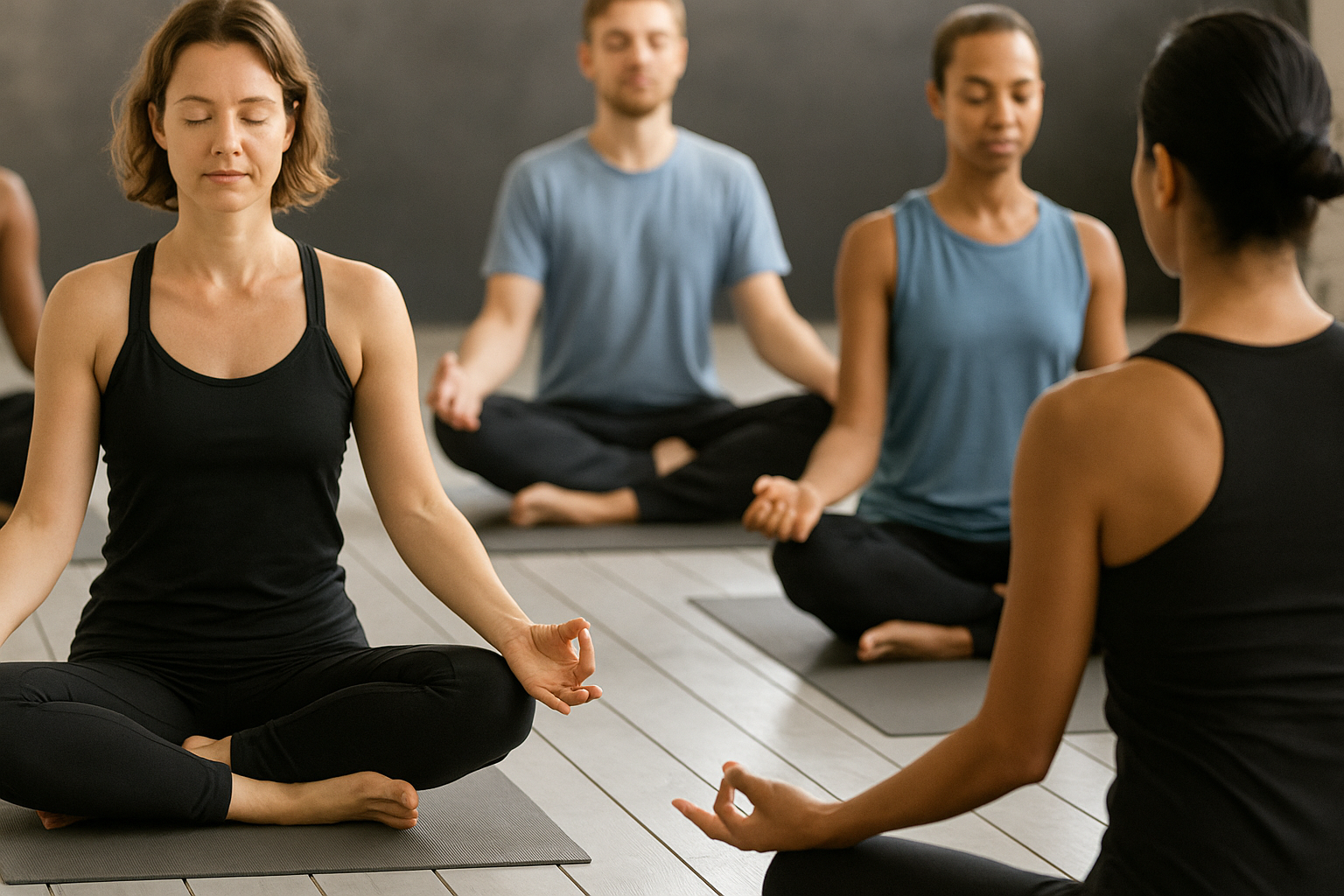
Traditional yoga classes often assume a level of stillness, focus, and structure that doesn’t always work for ADHD minds. While yoga is known for improving focus, reducing anxiety, and enhancing body awareness, an ADHD-friendly yoga class takes a different approach. It prioritizes movement, flexibility, and an engaging teaching style to support neurodivergent brains.
An ADHD-specific yoga class isn’t just about adapting the poses—it’s about modifying the structure, sensory environment, and teaching style to create a space where ADHD individuals can thrive. Let’s break down what makes an ADHD yoga class unique and why it works.
1. A Flexible Structure That Supports ADHD Minds
Rigid, predictable classes can be difficult for people with ADHD. Sitting in stillness for too long can cause restlessness, frustration, or zoning out. An ADHD-friendly yoga class embraces flexibility while maintaining enough structure to provide guidance.
Key Features of ADHD-Friendly Class Structure:
- Shorter Segments & Dynamic Pacing: Instead of long, repetitive sequences, ADHD-friendly classes break movements into smaller, more manageable parts. This keeps attention engaged without overwhelming the brain.
- Clear Cues & Visual Demonstrations: Verbal instructions are brief, supported by visual cues and demonstrations. Many ADHD individuals process information better with multiple inputs.
- Options for Movement Breaks: Instead of requiring stillness at all times, movement breaks allow natural fidgeting and restlessness to be incorporated into the experience.
- Built-in Transitions: Sudden shifts between poses can feel jarring or frustrating. ADHD yoga classes include smooth, guided transitions with cues on what’s coming next.
- Adaptable Sequences: While traditional classes may follow a rigid sequence, ADHD-friendly classes allow space for student input, playful modifications, or unexpected changes.
This dynamic structure prevents frustration and zoning out, allowing students to stay present and engaged throughout the practice.
 2. Sensory-Friendly Environments That Reduce Overstimulation
Many people with ADHD experience sensory sensitivities. Traditional yoga classes may be filled with bright lights, echoing voices, overpowering incense, or distracting decorations. An ADHD-friendly class modifies the environment to create a space that supports focus and relaxation.
How an ADHD Yoga Class Adjusts the Sensory Environment:
- Soft, Neutral Lighting: Harsh fluorescent lights can be distracting and uncomfortable. ADHD-friendly spaces use dim lighting, warm bulbs, or natural light for a calming atmosphere.
- Minimal Distractions: Too many mirrors, decorations, or complex visuals can pull attention away from the practice. ADHD-friendly spaces keep it simple and uncluttered.
- Comfortable Soundscapes: Traditional yoga classes often use background music, but for ADHD minds, the wrong kind of sound can be overstimulating. Options include soft instrumental music, nature sounds, or allowing students to bring noise-canceling headphones.
- Freedom to Modify Personal Space: Some students may feel more comfortable near a wall, while others might prefer sitting in the back of the room. ADHD-friendly classes allow students to choose where and how they participate.
By carefully managing the sensory environment, ADHD yoga classes create a space where students can focus, relax, and fully engage with their practice.
3. Movement Styles That Align With ADHD Energy
ADHD brains thrive on movement. Staying still for too long can feel like torture, leading to boredom, frustration, or a loss of engagement. ADHD yoga classes prioritize movement styles that match the natural energy patterns of neurodivergent individuals.
Movement Features of ADHD Yoga:
- Dynamic Sequences Over Static Holds: While traditional yoga emphasizes holding poses for long periods, ADHD-friendly classes use fluid movements that keep energy flowing.
- Balancing Energy & Rest: Instead of forcing stillness, ADHD yoga alternates between high-energy sequences and intentional relaxation, helping regulate focus.
- Interactive & Playful Elements: Partner poses, props, guided visualizations, or even small challenges keep engagement levels high without making the practice feel repetitive.
- Choice-Based Modifications: Rather than a one-size-fits-all approach, ADHD yoga instructors encourage students to explore different variations of poses that feel right for their bodies.
By making movement fun, varied, and adaptable, ADHD yoga transforms yoga into an enjoyable and sustainable practice rather than a frustrating chore.
 4. Teaching Approaches That Support ADHD Minds
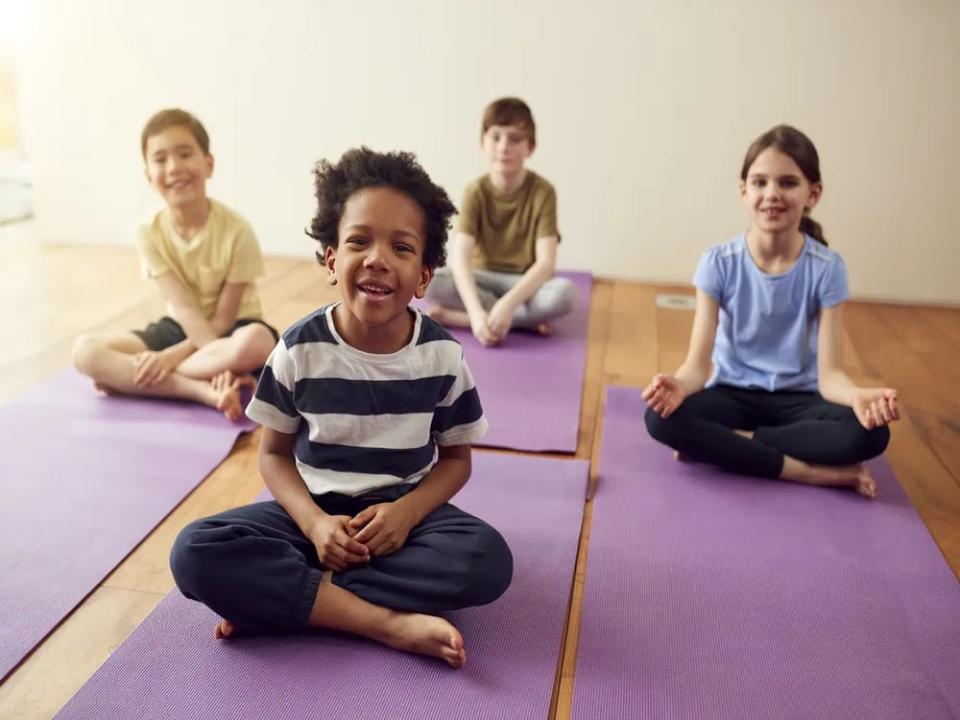
The way yoga is taught is just as important as the movements themselves. ADHD-friendly instructors use specific strategies that cater to neurodivergent learning styles, ensuring students feel supported rather than restricted.
How ADHD Yoga Instructors Teach Differently:
- Encouragement Over Perfection: Many ADHD individuals struggle with rigid rules or fear of “doing it wrong.” ADHD yoga instructors emphasize progress and exploration rather than perfect form.
- Short, Engaging Instructions: Directions are clear, concise, and often infused with humor or storytelling to hold attention. Long-winded explanations are avoided.
- Mindfulness Without Pressure: Traditional meditation can feel frustrating for ADHD minds. ADHD yoga incorporates mindfulness through guided movement, breathwork, or sensory grounding rather than requiring long periods of stillness.
- Support for Different Needs: Some students may need more structure, while others need more freedom. ADHD-friendly classes balance both, ensuring everyone feels comfortable.
By adjusting the teaching style, ADHD yoga classes create a more inclusive and enjoyable learning experience.
5. ADHD Yoga as a Long-Term Wellness Tool
Yoga isn’t just about exercise—it’s a powerful tool for managing ADHD symptoms, improving emotional regulation, and enhancing focus. But for it to work, the practice has to be sustainable. ADHD yoga classes are designed to support long-term success.
Why ADHD Yoga Works for the Long Haul:
- Helps Regulate the Nervous System: ADHD brains often swing between overstimulation and exhaustion. ADHD yoga helps create balance by alternating movement with relaxation techniques.
- Increases Body Awareness & Coordination: Many ADHD individuals struggle with proprioception (knowing where their body is in space). Yoga improves balance, coordination, and overall physical awareness.
- Reduces Anxiety & Impulsivity: Yoga trains the brain to slow down, creating moments of calm and focus that carry over into daily life.
- Builds a Supportive Community: ADHD yoga classes provide a nonjudgmental space where neurodivergent individuals can connect, share experiences, and support each other’s growth.
When yoga is adapted to fit ADHD needs, it becomes an effective, enjoyable, and sustainable tool for mental and physical well-being.
Conclusion: The Future of ADHD Yoga
ADHD-specific yoga isn’t just a trend—it’s a necessary shift in how wellness spaces accommodate neurodivergent individuals. By adjusting structure, environment, movement styles, and teaching approaches, ADHD yoga classes provide an accessible and engaging experience.
As awareness grows, more yoga programs will recognize the need for neurodivergent-friendly teaching methods. Whether you’re new to yoga or looking for a class that finally makes sense for your brain, ADHD-specific yoga is a step toward a more inclusive and supportive wellness journey.