 How Yoga Can Help ADHD

Living with ADHD can be challenging, but yoga offers a powerful tool to help manage symptoms and improve daily life. With its blend of physical movement, mindfulness, and relaxation techniques, yoga is gaining recognition as a natural way to support focus, emotional regulation, and overall well-being. This blog explores how yoga can help individuals with ADHD, offering practical benefits and steps to get started.
Yoga Promotes Focus and Reduces Hyperactivity
ADHD often involves difficulties with attention and impulsivity. Yoga, however, helps enhance focus by calming the mind and body. When practicing yoga, individuals engage in intentional movements and controlled breathing, which demand present-moment awareness.
- Mind-Body Connection: Each pose requires concentration, helping individuals with ADHD develop better focus over time. As they practice, the ability to sustain attention improves.Yoga encourages an intimate connection between the mind and body. This connection helps individuals become more aware of their physical sensations, thoughts, and emotions. By learning to notice these internal cues, people with ADHD can better manage distractions and redirect their attention to the present moment.
- Regulates Energy Levels: Yoga balances hyperactivity by providing an outlet for excess energy. Poses like Sun Salutations keep the body active, while calming poses like Child’s Pose or Forward Folds promote relaxation.For those with predominantly hyperactive ADHD, dynamic poses and sequences provide a constructive way to channel energy. Meanwhile, restorative poses can help calm the nervous system after a high-energy activity, offering a balanced approach to movement and stillness.
- Reduces Impulsivity: The structured flow of yoga sessions encourages mindfulness and self-control. Instead of reacting impulsively, individuals learn to pause and breathe before making decisions.This practice of pausing can extend into everyday life. Over time, individuals develop the ability to manage impulsive reactions in stressful or overwhelming situations, fostering better decision-making skills.
Yoga offers an accessible way to practice being in the moment. This skill translates into daily life, where focus and controlled actions become more manageable.
Yoga Reduces Stress and Improves Emotional Regulation
ADHD often leads to heightened stress and emotional swings. Yoga can help individuals manage these challenges by promoting relaxation and emotional stability.
- Activates the Parasympathetic Nervous System: Yoga uses deep breathing and gentle movements to activate the body’s relaxation response. This reduces cortisol, the stress hormone, and fosters a sense of calm.Activating the parasympathetic nervous system helps counteract the fight-or-flight response that many individuals with ADHD frequently experience. This creates a sense of safety and grounding that is essential for emotional stability.
- Teaches Emotional Awareness: Mindfulness is central to yoga. Practicing it helps individuals recognize their emotions without becoming overwhelmed. Yoga builds resilience in handling stressful situations.Yoga encourages non-judgmental observation of emotions. For those with ADHD, this can mean identifying triggers for frustration or anxiety and addressing them in a healthier way. Over time, yoga becomes a tool for navigating complex emotional landscapes.
- Relieves Physical Tension: Many people with ADHD experience physical restlessness. Yoga provides a safe space to release built-up tension and restore balance.Stretching and holding poses target areas of tension in the body, such as tight shoulders or a clenched jaw. Releasing this physical stress can lead to a greater sense of emotional ease and clarity.
Specific breathing techniques, like alternate nostril breathing or Ujjayi breathing, deepen the calming effects. Over time, yoga’s tools become invaluable for maintaining emotional equilibrium.
Yoga Builds Self-Esteem and Social Skills
ADHD often affects self-esteem and social interactions. Yoga’s non-competitive nature fosters self-acceptance and helps develop interpersonal skills.
- Encourages Personal Growth: Yoga celebrates progress without comparison. For individuals with ADHD, this can boost self-confidence and reduce feelings of inadequacy.Unlike traditional fitness routines, yoga places emphasis on personal journeys rather than external achievements. This approach fosters a sense of accomplishment and pride in one’s efforts, regardless of skill level.
- Develops Patience: Holding poses and learning sequences teaches patience and perseverance—skills that positively impact personal relationships.Practicing patience on the mat can translate into everyday interactions, making it easier to navigate challenges in relationships and social settings.
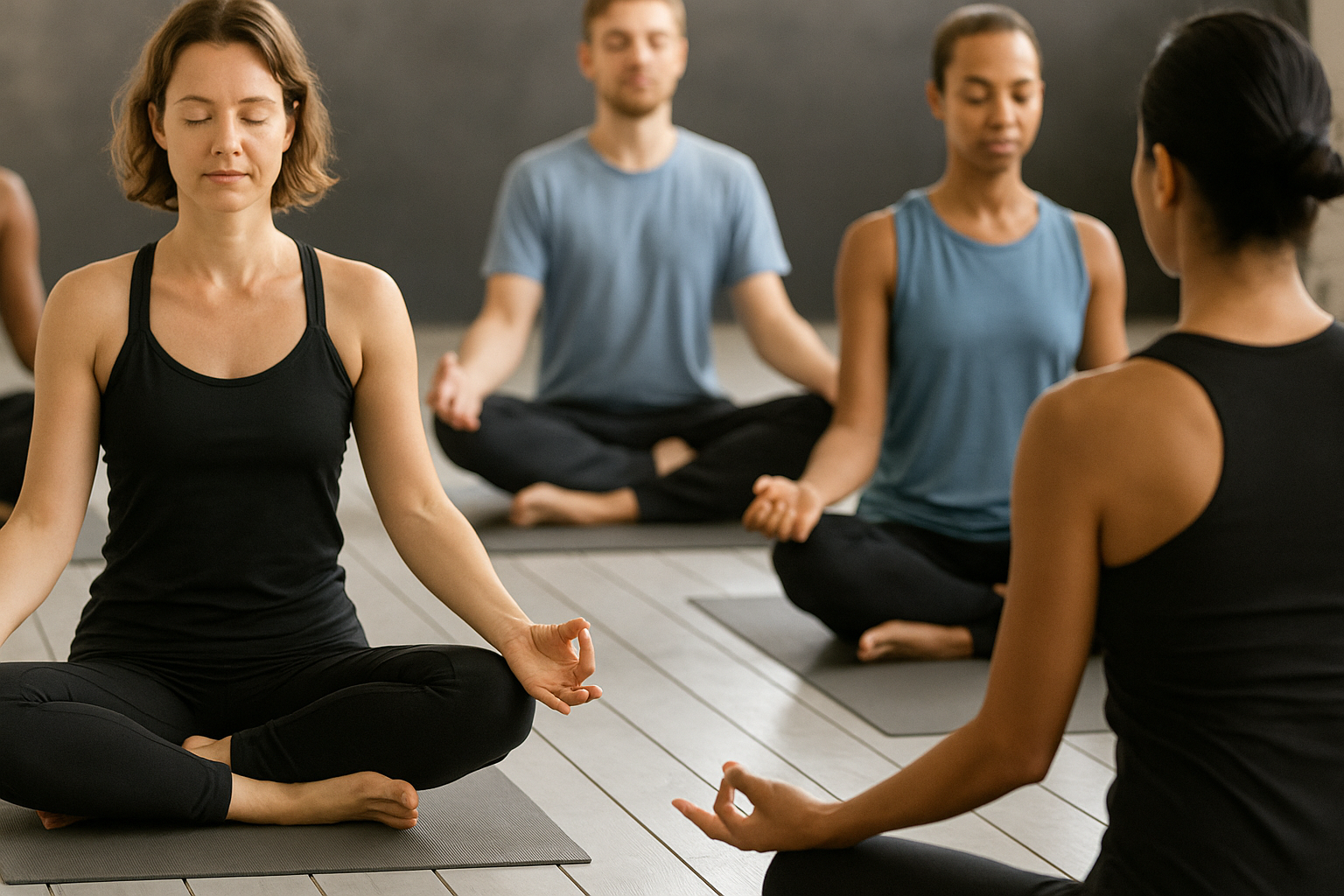
- Creates a Sense of Belonging: Group yoga classes offer opportunities to connect with others in a supportive, judgment-free environment. Shared experiences in class promote social bonds.For individuals who struggle with social anxiety or feelings of isolation, yoga classes provide a structured and welcoming environment. Over time, participants may feel more confident engaging with others outside of class.
Through yoga, individuals learn to value themselves while building positive relationships. These benefits extend beyond the mat, fostering a greater sense of belonging and self-worth.
Yoga Supports Better Sleep and Routine
Sleep disturbances are common among individuals with ADHD. Yoga can play a key role in promoting restful sleep and establishing healthy routines.
- Prepares the Body for Rest: Restorative yoga poses like Legs-Up-The-Wall or Savasana (Corpse Pose) signal to the body that it’s time to relax and unwind.
- Regulates Sleep Patterns: Consistent practice of yoga helps reset circadian rhythms, encouraging more regular sleep patterns over time.
- Improves Sleep Quality: Breathing exercises practiced before bed can reduce nighttime restlessness, making it easier to fall and stay asleep.
Incorporating yoga into a nighttime routine can help individuals with ADHD transition smoothly from the day’s activities to a state of relaxation, ensuring better sleep quality and a refreshed mind the next day.
Getting Started with Yoga for ADHD
Starting yoga doesn’t have to be intimidating. Here are practical tips for incorporating yoga into your ADHD management plan.
- Find the Right Style: Gentle practices like Hatha or Yin Yoga work well for beginners. More active styles like Vinyasa or Power Yoga suit those with high energy.
- Create a Routine: Consistency is key. Aim for short daily sessions—even 10 minutes a day can make a difference.
- Use Guided Videos or Classes: Beginners may benefit from online videos or local yoga classes. Instructors provide clear guidance and encouragement.
- Incorporate Mindfulness: Pair yoga with mindfulness practices like meditation to deepen its effects. Focused breathing can be practiced anywhere, anytime.
- Start Small: Begin with simple poses like Mountain Pose, Cat-Cow, and Downward Dog. Gradually add more complex poses as confidence builds.
- Track Progress: Keep a journal of your yoga practice to reflect on improvements in focus, mood, and overall well-being.
Starting small and building gradually ensures long-term success. With time and practice, yoga becomes a reliable tool for managing ADHD symptoms.
Conclusion: Harness Yoga’s Power for ADHD
Yoga provides more than physical exercise—it’s a holistic approach to managing ADHD. By improving focus, reducing stress, and fostering self-confidence, yoga empowers individuals to thrive. Whether you’re new to yoga or looking to deepen your practice, it’s never too late to discover its benefits. Start your yoga journey today and unlock its potential to transform your ADHD management.